

Open Compass designs relational conditions that help living systems — from individuals and couples to organizations and communities — flourish.
Through facilitated experiences, relational inquiry, and collaborative design, Open Compass helps individuals, partnerships, organizations, and communities cultivate greater awareness, connection, and intentional participation.
Relational Design at Different Levels
Individuals → Couples & Partnerships → Groups & Communities → Organizations & Teams → Retreats & Events
INDIVIDUALS
COUPLES + PARTNERSHIPS
ORGANIZATIONS + TEAMS
RETREATS + EVENTS
Pause → Clarify → Align →Design →Practice
A process that invites us to slow down, see more clearly, and respond in ways that align with our authentic selves, our values, who we want to be, and the relationships we want to cultivate.
How I Work
My work is relational, interdisciplinary, and collaborative. We begin by slowing down enough to understand what matters most — your purpose, your values, and the deeper WHY beneath the work. From there, we clarify, co-design, and develop practical next steps that feel aligned and sustainable.
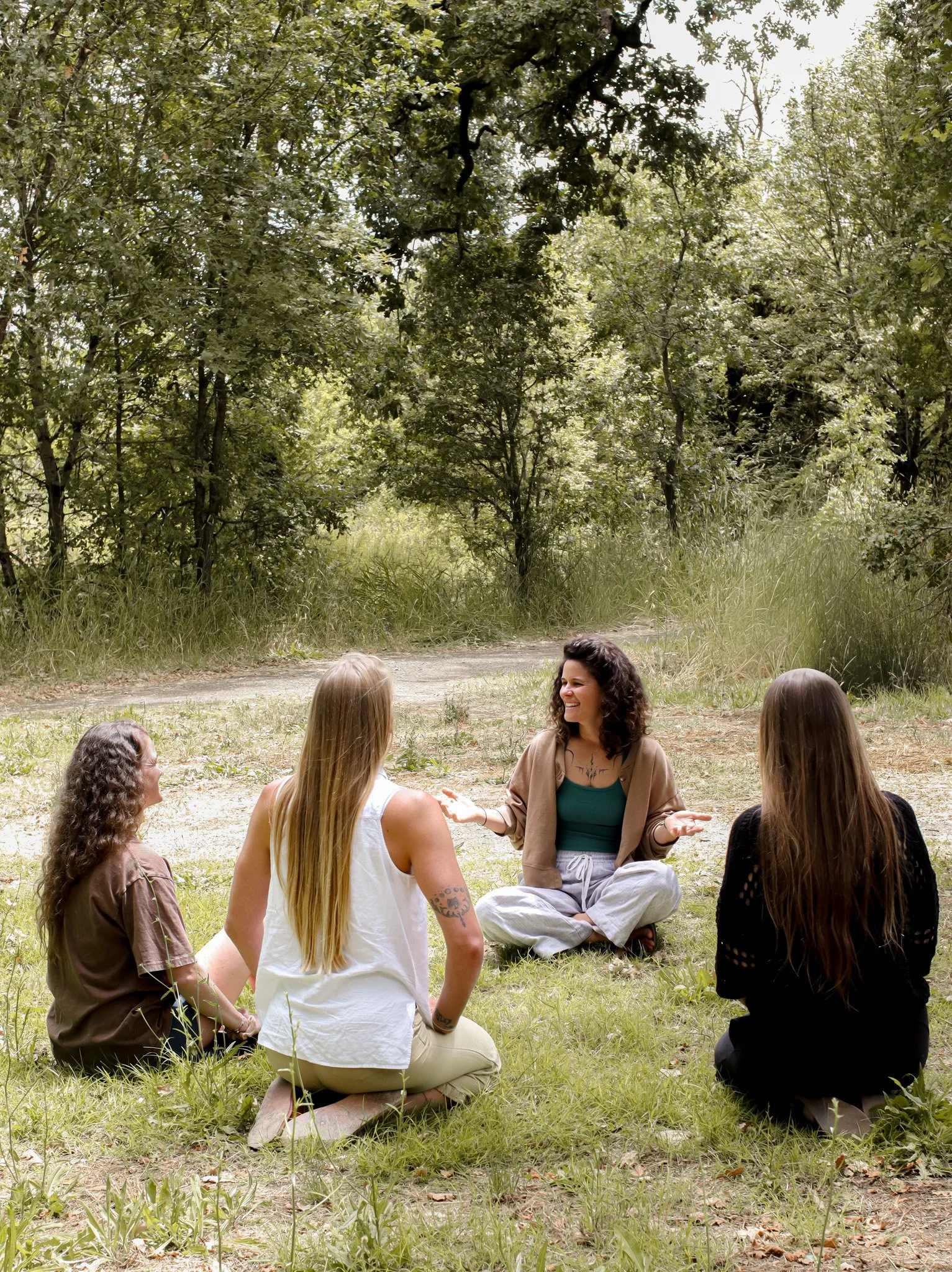
A SIGNATURE OPEN COMPASS PROCESS
Relational Mapping
Relationships are not problems to be solved.
When rupture, tension, uncertainty, or imbalance emerges, we often move quickly toward explanation, resolution, or repair. But before asking What should we do?, there can be tremendous value in asking: What is actually here?
There is often much to understand before deciding what needs to be repaired — or whether repair is even what is being asked of us.
Relational Mapping invites us to slow down and make the invisible visible: illuminating the relationships, patterns, needs, influences, resources, tensions, and conditions shaping the larger relational system.
Yes, sometimes talking helps. And oftentimes, seeing the system changes the conversation entirely. When we can see more of what is here, we have more choice in how we participate in what comes next.
About Aubrey
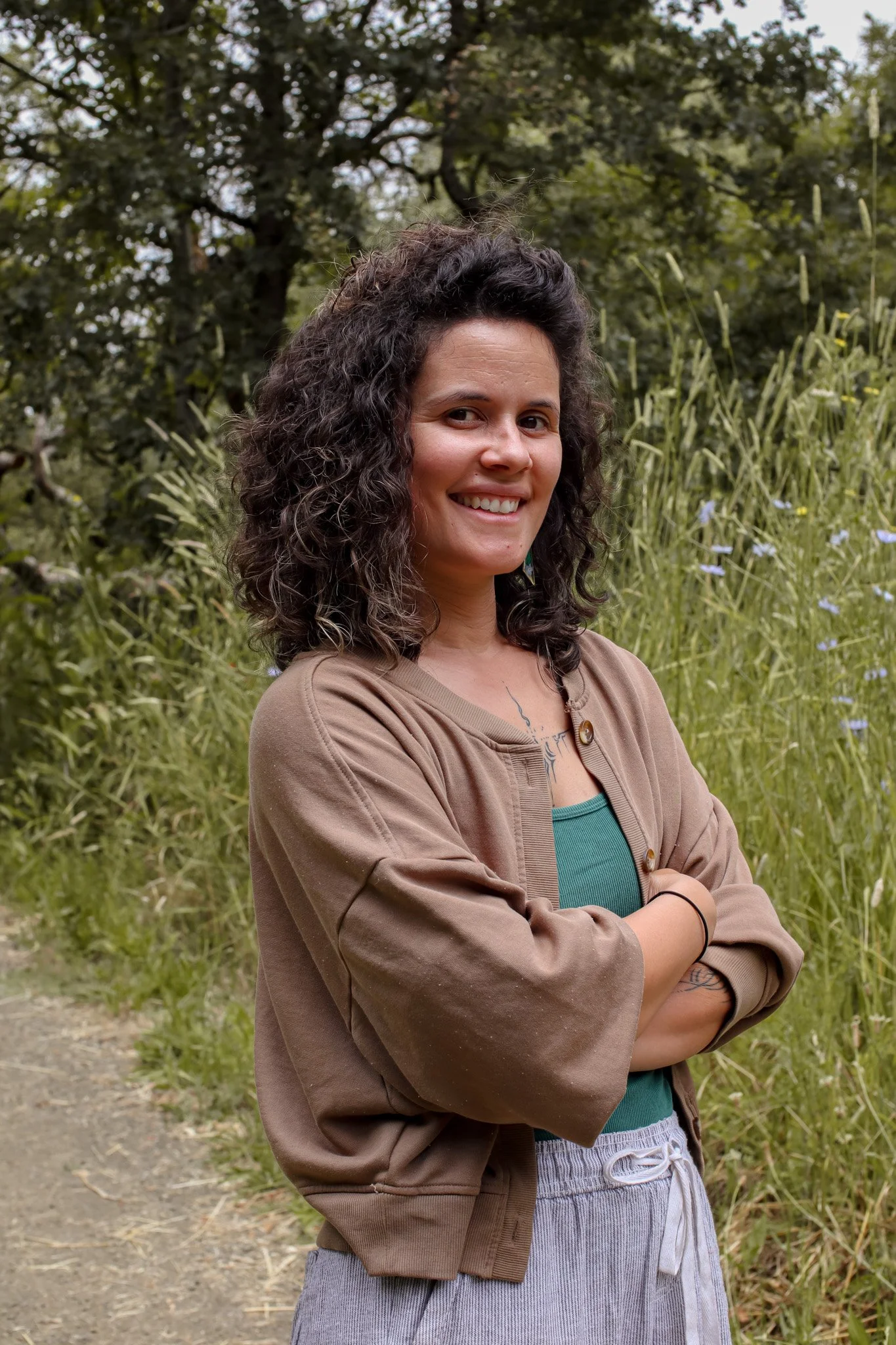
Aubrey Sabre is the founder of Open Compass, a relational facilitator, interdisciplinary practitioner, and student of Transformative Leadership.
Her work has emerged through years of community organizing, communications, event and program development, embodied practice, herbalism, motherhood, and the ongoing study of how humans create meaning and relationship within living systems.
Open Compass brings these threads together around one central inquiry:
What conditions help people become more aware, connected, collaborative, and fully alive?
What we’re exploring
What conditions help living systems flourish?
Open Compass explores how relationships, environments, structures, stories and patterns shape what becomes possible—and how more conscious participation can change what emerges.
We envision a world where connection and interdependence are treated as essential to how we live, work, relate, learn and build community.
Start a Conversation
Every Open Compass engagement begins with a conversation. We’ll explore what you’re navigating, what you hope to create, and whether there’s a meaningful way to work together.
“Togetherness is at the root of all I do, and the way in which I choose to move through the world. We need one another.”
— Aubrey S.